For four years, Kenya froze the issuing of new mining licences. In 2024 that freeze lifted — and with it, the clock started on one of the most significant shifts the country's gold sector has seen in a generation.
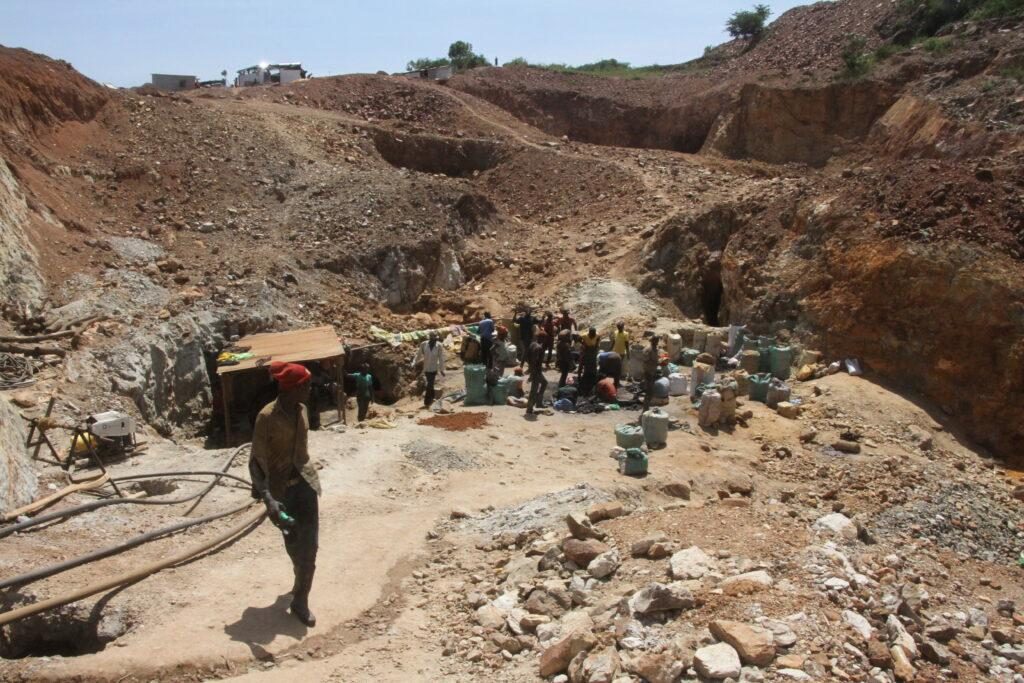
Gold has been mined in places like Nyatike, in Migori County, for decades. Yet most of it still moves informally: dug by hand, crushed with rudimentary equipment, recovered with mercury, and sold raw to middlemen who capture much of its value. An estimated 258,000 people in Migori depend on artisanal and small-scale mining, directly or indirectly — and almost all of them operate outside the formal system.
What "formalisation" actually means
Formalisation is the process of bringing that informal activity into a licensed, traceable, taxable framework. In practice it means licensed dealers and processors, documented chains of custody, environmental compliance, and gold that can be exported through official channels rather than smuggled across borders.
The gap between what leaves officially and what leaves in reality has long been stark. It is precisely that gap — the smuggling, the fraud, the lost value — that formalisation is designed to close.
Why now
Three forces are converging. First, the reopening of mining licences has created a legal path for new, compliant operators. Second, international buyers face tightening due-diligence rules — under OECD, LBMA and EU frameworks — meaning they increasingly cannot touch gold they cannot trace. Third, the infrastructure to process gold properly and cheaply is finally reaching the mining communities that need it.
Where certified processing fits
Formalisation only works if miners have somewhere to sell into it. That is the role of certified processing and testing. Modern carbon-in-leach (CIL) recovery captures 85–92% of the gold in ore, compared with 40–60% for mercury amalgamation — and it does so under environmentally compliant conditions, with cyanide detoxified and water recycled before anything leaves the site.
Pair that with a certified assay laboratory issuing stamped certificates, and a miner can finally prove what their gold is worth. Buyers, in turn, get metal they can trace. This is the trust infrastructure the corridor has always lacked.
What it means for miners
For the honest majority, formalisation is not a threat — it is access. Access to fair, transparent pricing. Access to legitimate, higher-value buyers. Access to a market that no longer treats African gold as guilty until proven innocent. The operators who move early, build compliant, and document everything will be the ones who benefit as the rules tighten.
At Base Aurum, this is the thesis we are built on: turn informal supply into certified, traceable gold, and let legitimate African gold reach premium markets at a fair price.
Working in or sourcing from the region? We'd like to hear from you.
Get in touchThis article is general information, not investment, legal or financial advice. Figures are drawn from public industry sources and project documentation and may vary.